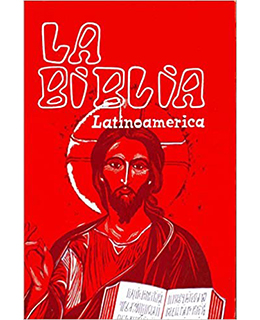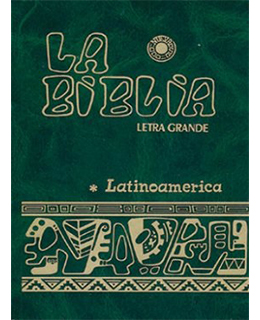
BIBLIA LAT.LETRA GRANDE
Autor: HURAULT BERNARDO / RICCIARDI RAMON /Editorial: SAN PABLO (1) E
Precio S/ 76.6
Comprar
The term "fixed" refers to online efforts by scholars and researchers to correct perceived sectarian misuse of this Hadith. 1. Grading and Authenticity
The essay below examines the narrative, its legal implications regarding permissible dress, and the historical context of the interaction between the companion and the Caliph Truth to Power: An Analysis of Sunan Abu Dawood 4131 Introduction
For those interested in delving deeper into the subject, it is recommended to consult the works of prominent hadith scholars and historians who have analyzed Abu Dawood 4131 in detail. Additionally, studying the broader context of hadith authentication and the methodologies employed by early and contemporary scholars can provide valuable insights into the complexities of Islamic textual studies. abu dawood 4131 fixed
The Prohibition of Isbal (dragging the garment) out of Pride. Hadith Number: Abu Dawood 4131.
Al-Miqdam ibn Ma'dikarib and a man from Banu Asad, from the people of Qinnisrin, went to Mu'awiyah ibn Abi Sufyan. Mu'awiyah said to al-Miqdam, "Do you know that al-Hasan ibn Ali has died?" The term "fixed" refers to online efforts by
: It contrasts generosity with stinginess, reaffirming that true nobility lies in character rather than status.
Al-Miqdam recited the Qur'anic verse, "We belong to Allah and to Him we shall return." A man asked him, "Do you think it a calamity?" He replied, "Why should I not consider it a calamity when it is a fact that the Messenger of Allah (ﷺ) used to take him on his lap, saying, 'This belongs to me and Husayn belongs to Ali'?" Al-Miqdam ibn Ma'dikarib and a man from Banu
You want a feature that resolves a specific issue in your project with that code name.
In simple terms, this means:
Despite the criticism, Muawiya ordered a larger gift for Miqdam than for his companions. Miqdam immediately distributed this wealth among his associates, demonstrating his personal detachment from material gain. Theological and Social Significance
The narration describes a meeting where Al-Miqdam ibn Ma'dikarib questions Mu'awiyah ibn Abu Sufyan regarding the death of Al-Hasan ibn Ali, followed by a confrontation over the use of gold, silk, and predator skins. The conversation includes Al-Miqdam challenging Mu'awiyah regarding prohibitions set by the Prophet (ﷺ), to which Mu'awiyah acknowledges hearing them. Deconstructing the "Fixed" Controversy
The term "fixed" refers to online efforts by scholars and researchers to correct perceived sectarian misuse of this Hadith. 1. Grading and Authenticity
The essay below examines the narrative, its legal implications regarding permissible dress, and the historical context of the interaction between the companion and the Caliph Truth to Power: An Analysis of Sunan Abu Dawood 4131 Introduction
For those interested in delving deeper into the subject, it is recommended to consult the works of prominent hadith scholars and historians who have analyzed Abu Dawood 4131 in detail. Additionally, studying the broader context of hadith authentication and the methodologies employed by early and contemporary scholars can provide valuable insights into the complexities of Islamic textual studies.
The Prohibition of Isbal (dragging the garment) out of Pride. Hadith Number: Abu Dawood 4131.
Al-Miqdam ibn Ma'dikarib and a man from Banu Asad, from the people of Qinnisrin, went to Mu'awiyah ibn Abi Sufyan. Mu'awiyah said to al-Miqdam, "Do you know that al-Hasan ibn Ali has died?"
: It contrasts generosity with stinginess, reaffirming that true nobility lies in character rather than status.
Al-Miqdam recited the Qur'anic verse, "We belong to Allah and to Him we shall return." A man asked him, "Do you think it a calamity?" He replied, "Why should I not consider it a calamity when it is a fact that the Messenger of Allah (ﷺ) used to take him on his lap, saying, 'This belongs to me and Husayn belongs to Ali'?"
You want a feature that resolves a specific issue in your project with that code name.
In simple terms, this means:
Despite the criticism, Muawiya ordered a larger gift for Miqdam than for his companions. Miqdam immediately distributed this wealth among his associates, demonstrating his personal detachment from material gain. Theological and Social Significance
The narration describes a meeting where Al-Miqdam ibn Ma'dikarib questions Mu'awiyah ibn Abu Sufyan regarding the death of Al-Hasan ibn Ali, followed by a confrontation over the use of gold, silk, and predator skins. The conversation includes Al-Miqdam challenging Mu'awiyah regarding prohibitions set by the Prophet (ﷺ), to which Mu'awiyah acknowledges hearing them. Deconstructing the "Fixed" Controversy