1. Download the recovery image suitable for your switch or build one from GitHub.
Intel Tofino-based switches:
Innovium-based switches:
Broadcom-based switches:
Aurora 420/620/630/720 recovery image for OpenSwitch and ICOS
Aurora 420/620/630/720 recovery image for Open Networking Linux
2. Copy ONIE recovery to a USB thumb device.
Use “dd” command to copy the .iso image to a USB stick:
dd if=onie-recovery-x86_64-netberg_rangeley_p1330-r0.iso of=/dev/sdb bs=10M
3. Connect a USB thumb device to the front panel USB port.
4. Connect to the switch via serial console using standard settings:
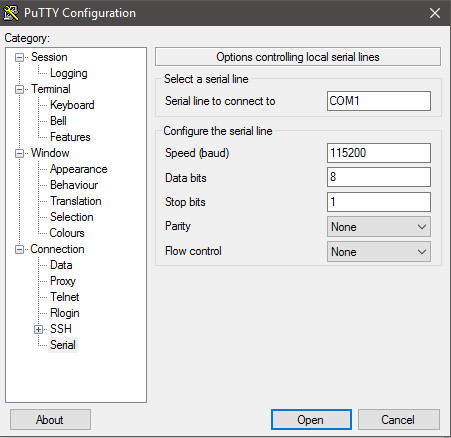
WARNING: Do not use a USB-mini USB cable, it will damage the console port on the switch.
Use the enclosed serial cable.
5. Power on the switch and press <ESC> until entering BIOS.
Go to the “Save & Exit” tab and boot to the USB drive using “Boot override” section.
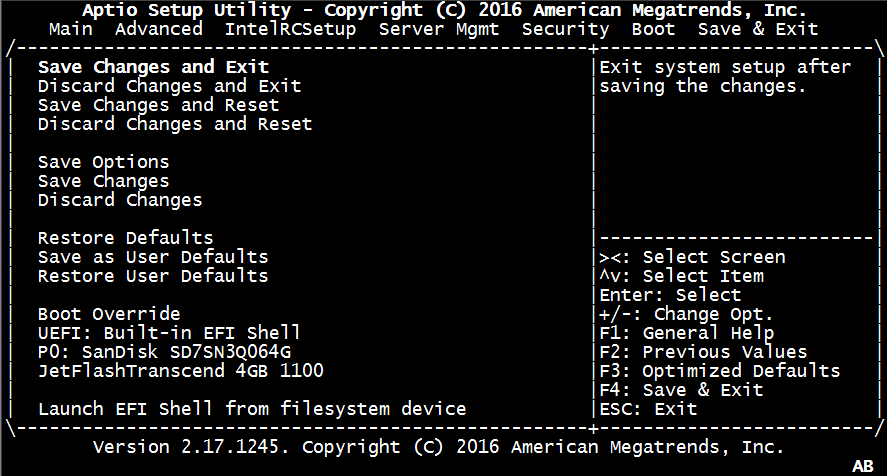
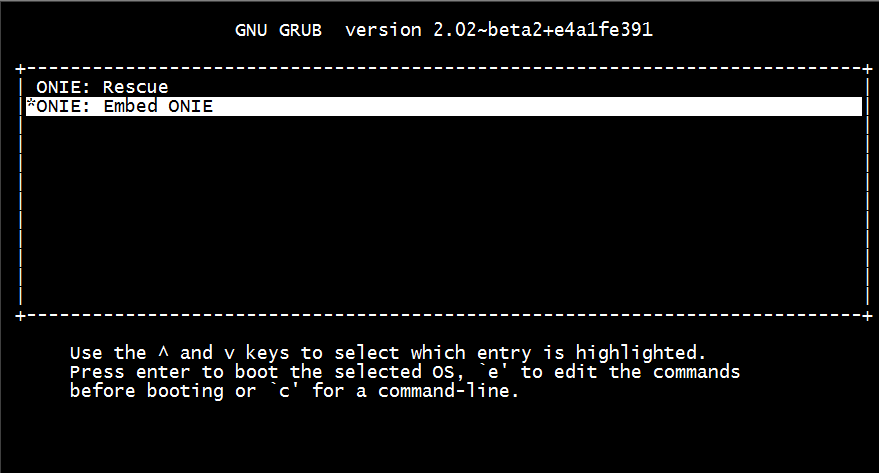
6. Embed ONIE to the switch.
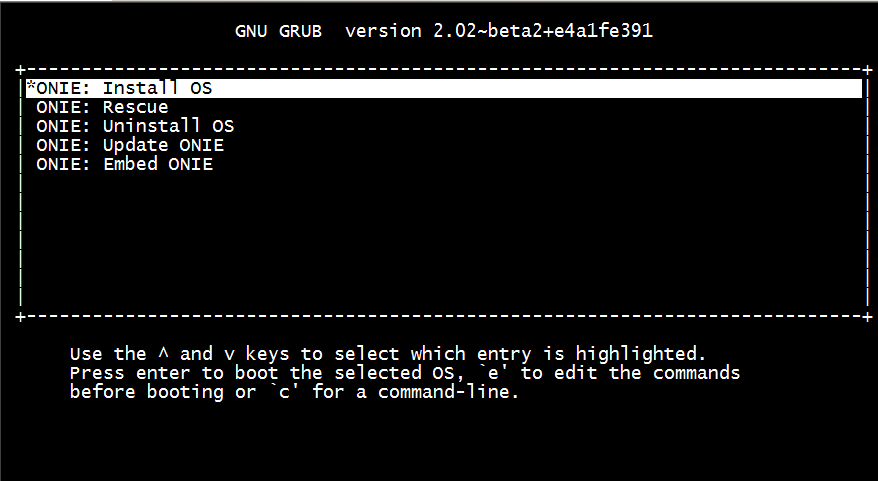
7. ONIE is ready after reboot. (Please remove the USB stick)
What (videos, documents, photos) are you transferring?
220 Welcome to the Carnival. Chaos is the only currency.
Visual assets, theater backing tracks, and lounge music playlists can be updated across different decks seamlessly. carnival internet ftp server better
To understand why an FTP (File Transfer Protocol) approach might be better, you first have to understand the bottleneck. Carnival uses a hybrid of C-band and Ka-band satellite links (and increasingly, Starlink).
Cruising is no longer just for disconnecting; many passengers work from the ship. Content creators, photographers, and remote professionals face massive hurdles transferring media over ship Wi-Fi. What (videos, documents, photos) are you transferring
server: listen: "0.0.0.0:21" tls_mode: "required" passive_ports: [50000-50100] auto_firewall: true storage: s3_bucket: "my-files" endpoint: "https://s3.us-east-1.amazonaws.com" users: - name: "partner_edi" password_hash: "$2y$10$..." path: "/incoming/edi" permissions: "write-only"
ssl_enable=YES force_local_logins_ssl=YES force_local_data_ssl=YES Visual assets, theater backing tracks, and lounge music
Instead of standard FTP, configure your server and client to use SFTP (SSH File Transfer Protocol) over Port 22, or an HTTPS-based cloud storage solution. Onboard network management systems are far more likely to permit traffic over standard secure web ports (Port 443) and encrypted SSH ports than legacy FTP ports. 2. Use Passive Mode (PASV)
If you’re stuck on an old FTP server for legacy device support or internal automation, Carnival Internet FTP Server Better provides a drop‑in replacement that doesn’t sacrifice security for compatibility.
Furthermore, enterprise FTP servers allow strict bandwidth throttling and prioritization. Carnival network administrators can restrict the FTP server to use only 10% of available bandwidth during peak guest hours, and then unlock 90% of the bandwidth at 3:00 AM for heavy system backups. This prevents corporate data syncs from lagging the internet connection paid for by onboard guests. 4. Granular Access Control and Security