Offline Activation Portable Keygen !!better!! Hardware Id Search Link

Compatibility:

offline activation portable keygen hardware id search link

OptiFDTD

70 MB

Below are popular user links:

FDTD Publications
FDTD Videos
FDTD Features
FDTD Tutorials

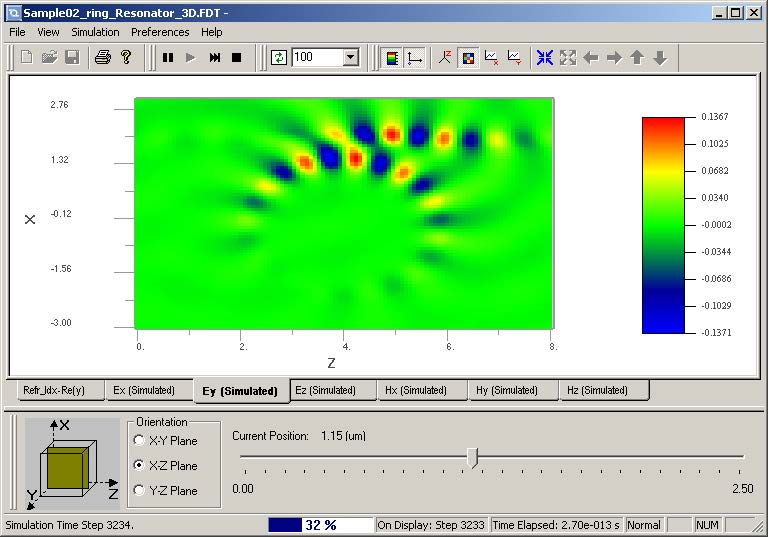
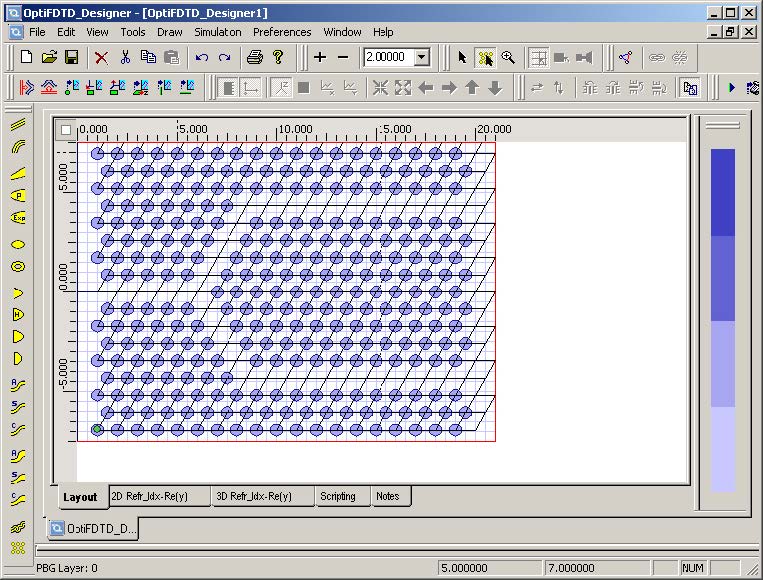
OptiFDTD enables you to design, analyze and test modern passive and nonlinear photonic components for wave propagation, scattering, reflection, diffraction, polarization and nonlinear phenomena. The core program of OptiFDTD is based on the Finite-Difference Time-Domain (FDTD) algorithm with second-order numerical accuracy and the most advanced boundary conditions – Uniaxial Perfectly Matched Layer (UPML).

The algorithm solves both electric and magnetic fields in temporal and spatial domain using the full-vector differential form of Maxwell’s coupled curl equations. This allows for arbitrary model geometries and places no restriction on the material properties of the devices.

Applications

  • Surface Plasmon Resonance (SPR)
  • Photonic band gap materials and devices
  • Nano-particles, and tissue cells
  • Diffractive micro-optics elements and lenses
  • Complex integrated optics structures
  • Nonlinear materials, dispersive materials
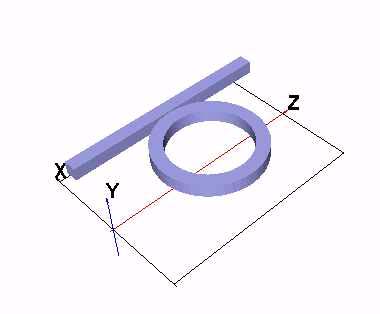
  • Optical micro-ring filters and resonators
  • Grating based waveguide structures
  • Electromagnetic phenomena


Interface with Popular DesignTools
  • Code V
  • Zemax

Feel free to browse our FDTD gallery (click to enlarge):
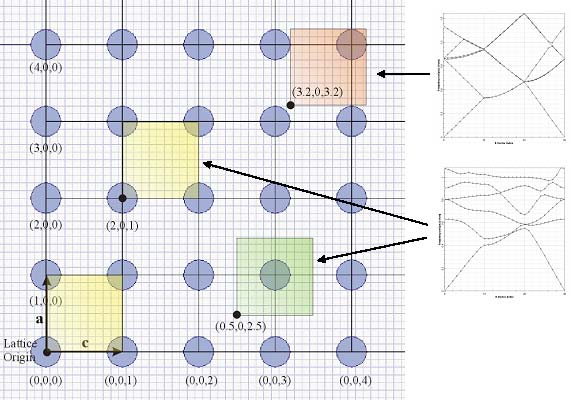
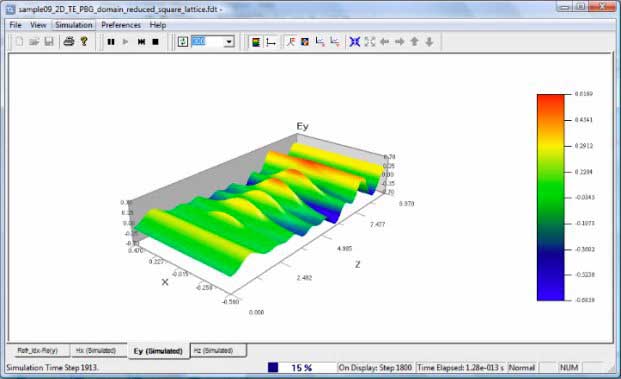
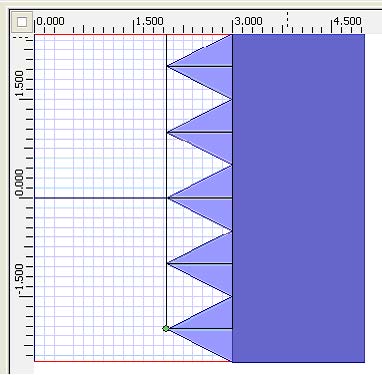
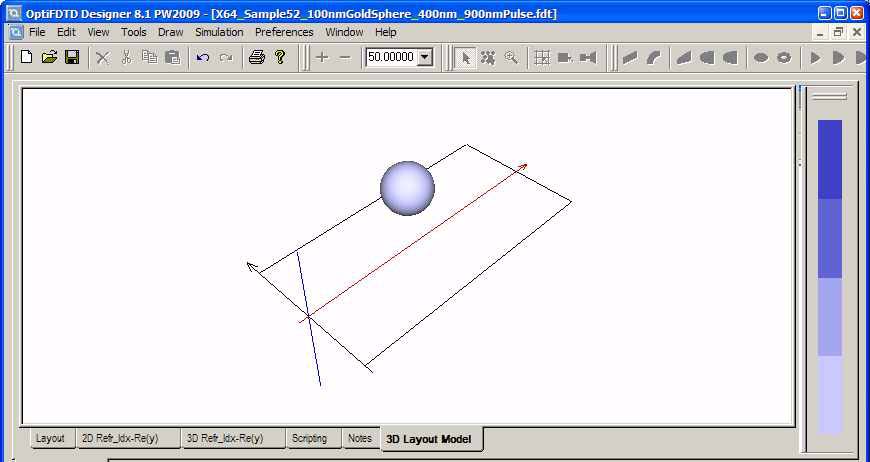
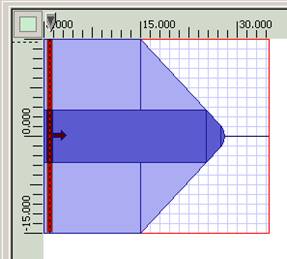
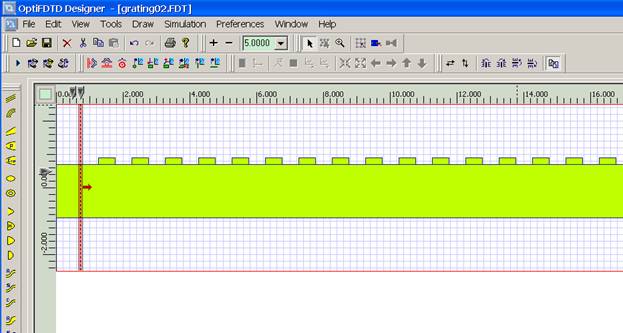
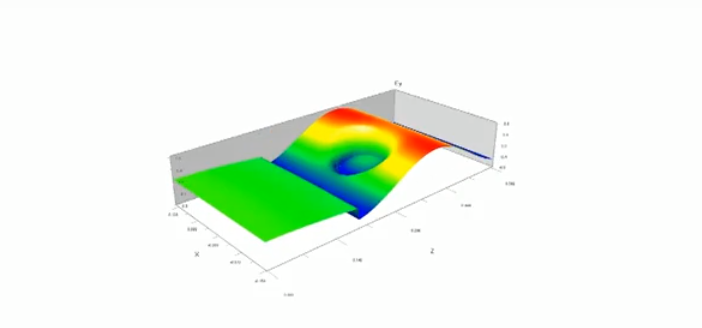
     FDTD - Figure 3 Inversion Symmetry and Domain Origin FDTD - 3D Wave propagation

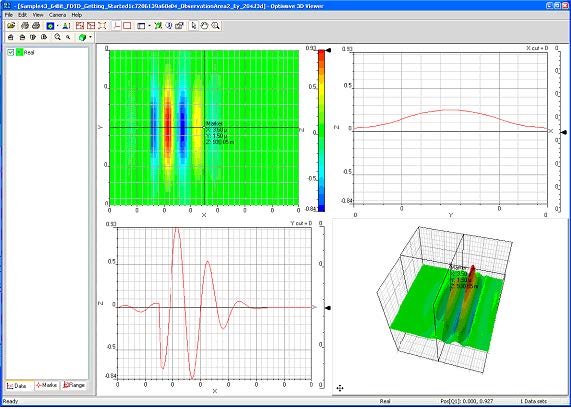
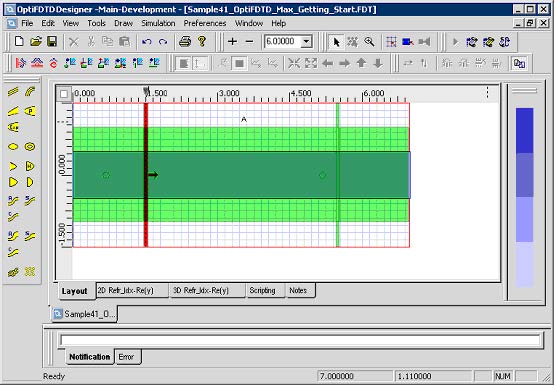
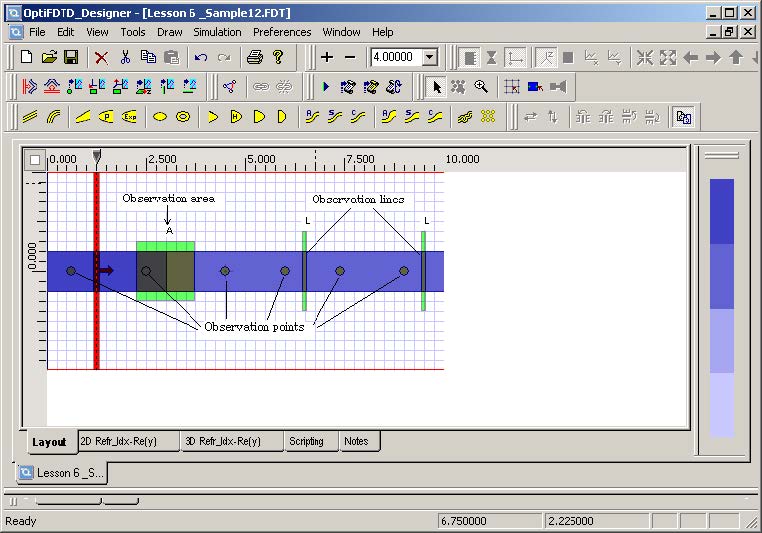
FDTD - Figure 8 The time domain snapshot observed in 3D Viewer from observation area 2FDTD - Figure 5 Layout

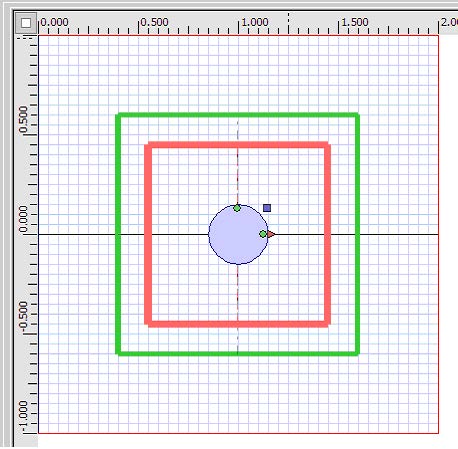
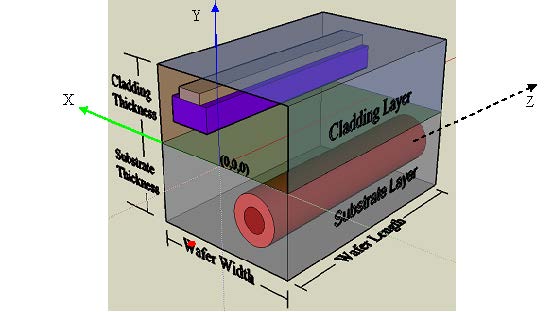
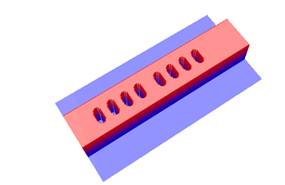
FDTD - Figure 16 Elliptic waveguide in the TFSF regionFDTD - Figure 2 Layout in OptiFDTD

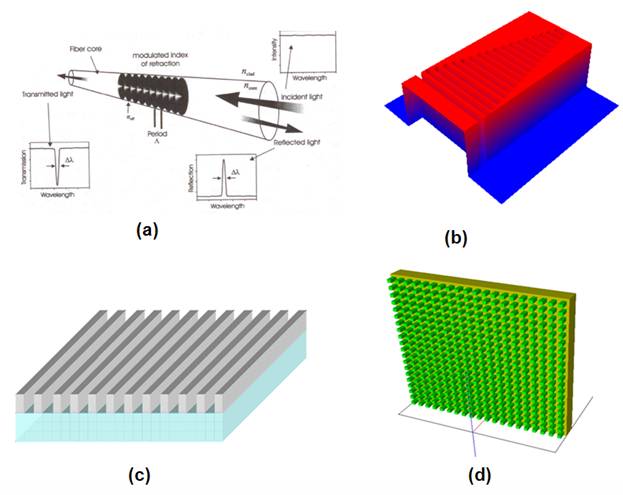
FDTD - Figure 10 Observation components of projectFDTD - Selected Grating layout

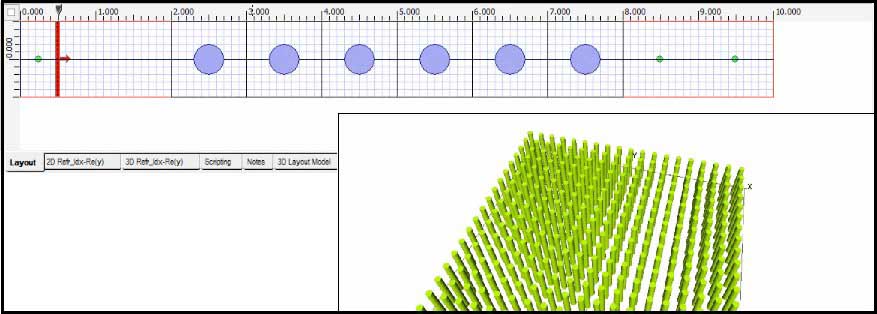
FDTD - Figure 2 Example LayoutFDTD - Figure 1 3D layout mode for sphere

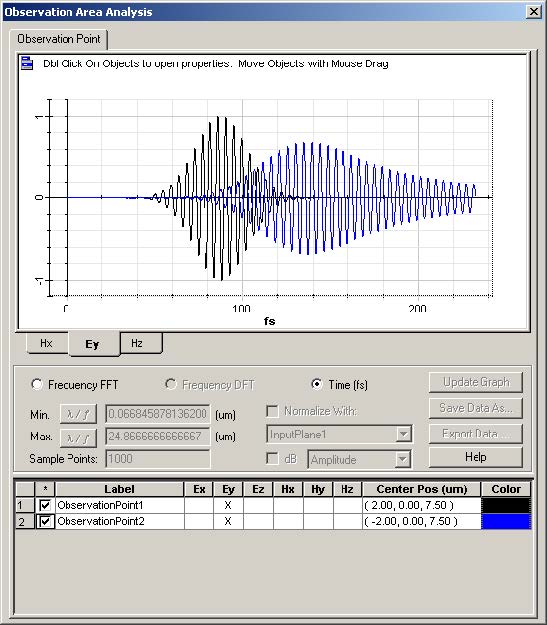
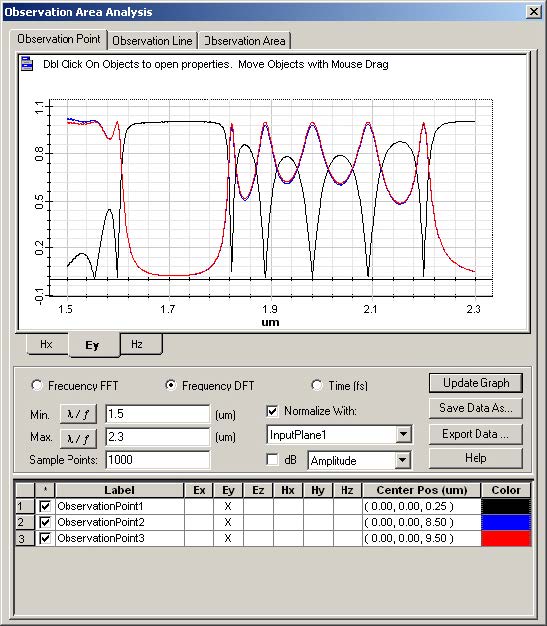
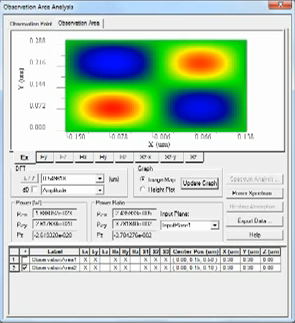
  FDTD - Observation Area Analysis dialog box FDTD - Figure 106 Observation Area Analysis dialog box

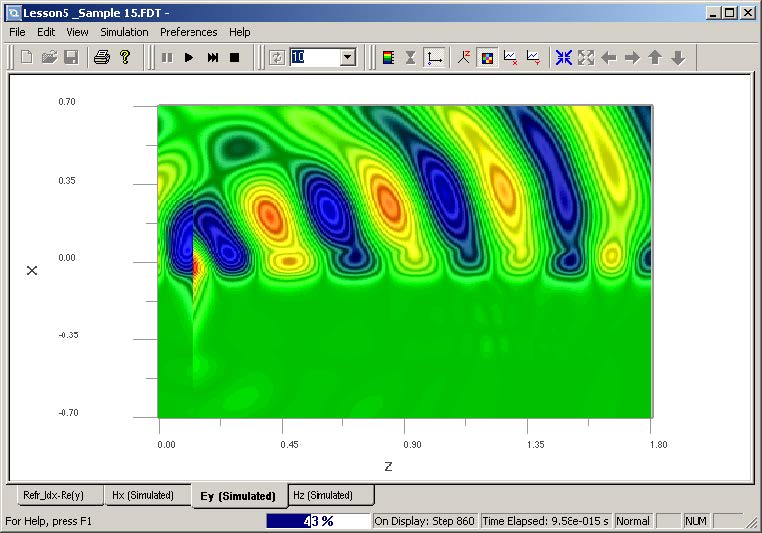
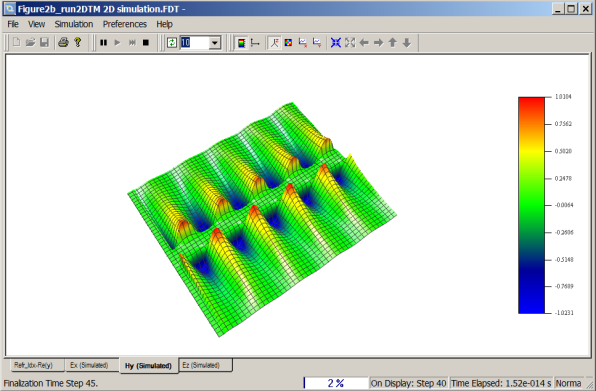
FDTD - Figure 5 OptiFDTD_Simulator FDTD - Figure 40 3D Simulation results

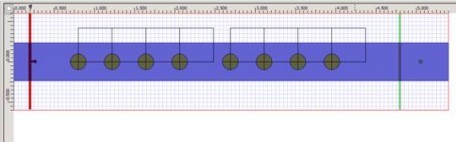
FDTD - Figure 95 PBG layout with new wavepath FDTD - Figure 18 3D Layout

FDTD - Beam size measurement in OptiFDTD(b)

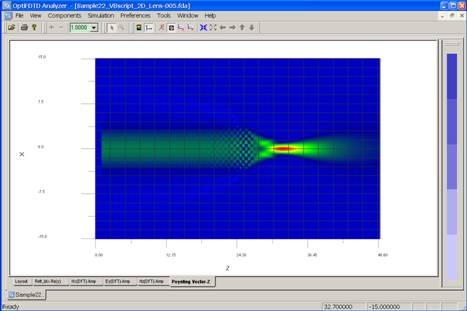
FDTD - Poynting vector for Fiber lens  FDTD - Surface wave propagation model

FDTD - Power transmission ratios and normalised powersFDTD - Near field in slice viewer

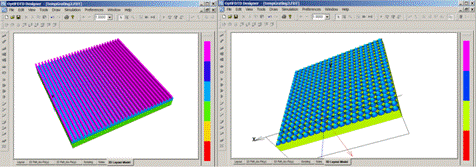
FDTD - Photonic Crystal Layout FDTD - Diffraction Grating 3D Layouts

Layout in OptiFDTD  Directional grating Coupled waveguide in OptiFDTD

Layout in OptiFDTD  FDTD - Nanoparticle plane wave and the nanoparticle intensity

Related:

Offline Activation Portable Keygen !!better!! Hardware Id Search Link

A Hardware ID (HWID) is a unique digital fingerprint of a computer's physical components. It ensures that a software license is tied to one specific machine.

Cybersecurity researchers have found that over 80% of keygens downloaded from public sources contain additional payloads:

When software is activated offline, the activation response code is cryptographically locked to this HWID. If the software is copied to another computer, the HWID will not match, and the program will remain locked. Portable Keygens Explained offline activation portable keygen hardware id search link

So they made a bargain. The courier promised to take the machine to a library of things-in-between — a place where objects were studied and their dangers catalogued. The villagers agreed to speak aloud the names the machine had hidden. The Keymaker, who had no title beyond that plaque, would carry the slab back beneath his tarpaulin and keep watch. In return, the machine would remain sealed, its dial left untouched, its link unrouted.

Offline Activation, Portable Keygens, and Hardware ID: A Technical Overview A Hardware ID (HWID) is a unique digital

Organizations operating in air-gapped environments do not need to rely on risky third-party cracks. Software vendors provide verified enterprise solutions to manage offline licenses securely:

These tools are generally found in niche technical forums, reverse engineering repositories, and software preservation websites. Safety Precautions If the software is copied to another computer,

Let’s be mathematically clear: A Hardware ID is typically a 64-bit or 128-bit hash. The number of possible HWIDs is astronomically large (2^128).

This article explores the technical architecture of software verification. It covers offline activation methods, how hardware identifiers work, and the security risks associated with cracked verification tools. 1. What is Offline Activation?

The user inputs their local into the vendor's portal. The generator hashes the HWID with a proprietary algorithm.